Yo, fellow tractor enthusiasts! I’m a supplier in the tractor game, and today I’m gonna break down how a tractor’s braking system works. It might seem like a complex thing, but once you get the hang of it, it’s pretty straightforward. Tractor
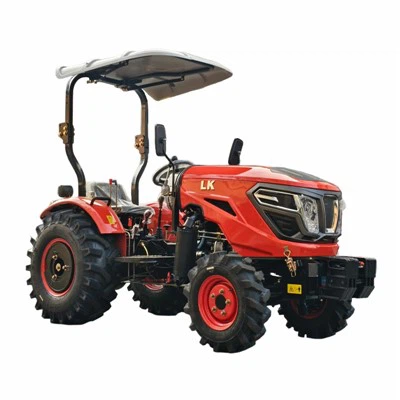
The Basics of a Tractor Braking System
First off, let’s talk about why a good braking system is so important for tractors. Tractors are often used in tough agricultural, industrial, or construction settings. They’re heavy machines that carry loads, pull equipment, and work on uneven ground. Having a reliable braking system is not just about stopping the tractor; it’s about safety for the operator, the people around the tractor, and the protection of the machinery itself.
There are two main types of braking systems in tractors: service brakes and parking brakes. Service brakes are used to slow down or stop the tractor during normal operation. The parking brake, on the other hand, holds the tractor in place when it’s parked.
Service Brakes
Let’s start with the service brakes. Most modern tractors use hydraulic brakes, which are pretty common in a lot of vehicles. Hydraulic brakes work on the principle of Pascal’s law. This law says that when you apply pressure to a confined fluid, that pressure is transmitted equally in all directions.
In a tractor’s hydraulic braking system, you’ve got a master cylinder. When you press down on the brake pedal, it pushes a piston in the master cylinder. The master cylinder is filled with brake fluid. As the piston moves, it increases the pressure in the brake fluid.
This high – pressure brake fluid then travels through brake lines to the wheel cylinders or calipers at each wheel. Depending on whether the tractor has drum brakes or disc brakes, the fluid does different things.
Drum Brakes
A lot of tractors, especially older models or those used in some less – demanding applications, have drum brakes. In a drum brake system, the wheel cylinder at each wheel gets the high – pressure brake fluid. The wheel cylinder has pistons that are pushed outwards by the pressure of the brake fluid.
These pistons then push brake shoes against the inside of a brake drum. The brake drum is attached to the wheel, so when the brake shoes rub against it, friction is created. This friction slows down the rotation of the wheel and, in turn, the tractor.
One thing about drum brakes is that they can get hot after a lot of use. When they overheat, the friction material on the brake shoes can wear out faster, and the braking performance might decrease. That’s why it’s important to give the brakes a break if you’re doing a lot of heavy braking.
Disc Brakes
Many newer tractors are equipped with disc brakes. Disc brakes are a bit more efficient and reliable than drum brakes in some ways. In a disc brake system, the high – pressure brake fluid goes to a caliper instead of a wheel cylinder.
The caliper has pistons that are pushed by the brake fluid. These pistons then squeeze brake pads against a brake disc (also called a rotor). The brake disc is attached to the wheel. When the brake pads clamp down on the disc, friction is generated, and the wheel slows down.
Disc brakes are better at dissipating heat because the disc is exposed to the air. This means they can handle more intense braking without losing their performance as quickly as drum brakes. They also tend to be more responsive, which is great for safety.
Parking Brakes
Now, let’s talk about the parking brake. The parking brake in a tractor is usually a mechanical system. It works independently of the service brakes.
Most parking brakes use a cable mechanism. When you pull the parking brake lever, it tightens a cable. This cable is connected to either the drum brakes or the disc brakes, depending on what type of brakes the tractor has.
If it’s a drum brake system, the cable pulls on a lever that moves the brake shoes against the drum. In a disc brake system, the cable can actuate a mechanism in the caliper to press the brake pads against the disc. The parking brake is designed to hold the tractor in place even on an incline, so it needs to be strong and reliable.
Anti – Lock Braking System (ABS)
Some modern tractors also come with an Anti – Lock Braking System (ABS). ABS is a safety feature that helps prevent the wheels from locking up when you brake hard.
When the ABS system detects that a wheel is about to lock up, it automatically adjusts the brake pressure to that wheel. It does this by rapidly pulsing the brakes on and off. This allows the wheel to continue rotating slightly, which gives you better control of the tractor and reduces the risk of skidding.
For example, if you’re driving a tractor on a slippery surface like mud or ice and you need to brake suddenly, the ABS system will kick in. It’ll make sure that the wheels don’t lock up, so you can still steer the tractor and avoid hitting obstacles.
Maintenance of the Braking System
As a tractor supplier, I always tell my customers that proper maintenance of the braking system is crucial. You should regularly check the brake fluid level in the master cylinder. If it’s low, it could mean there’s a leak in the system.
Inspect the brake lines for any signs of damage, like cracks or leaks. A damaged brake line can cause a loss of brake pressure, which is really dangerous. Also, keep an eye on the brake pads and shoes. Over time, they’ll wear out, and you’ll need to replace them.
If your tractor has an ABS system, make sure the sensors are clean and working properly. Faulty sensors can cause the ABS system to malfunction.
Why Our Tractors’ Braking Systems Stand Out
At our company, we take pride in the quality of our tractors’ braking systems. We use high – quality materials in the manufacturing of the brake components. Our hydraulic systems are designed to be efficient and reliable, ensuring smooth and responsive braking.
Whether you choose a tractor with drum brakes for simpler applications or a more advanced model with disc brakes and ABS, you can trust that our braking systems are built to last. We know that safety is your top priority when operating a tractor, and that’s why we don’t cut corners when it comes to the braking system.
Time to Talk Business
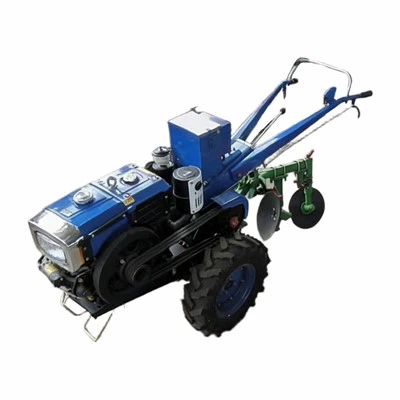
If you’re in the market for a new tractor and you’re concerned about the braking system (which you should be!), don’t hesitate to reach out to us. We’ve got a wide range of tractors that can meet your specific needs. Whether you’re a small – scale farmer, a construction worker, or someone in the industrial sector, we’ve got the right tractor for you.
Farm Implement Let’s have a chat about your requirements, and we can figure out which tractor with the best – suited braking system is the perfect fit for you. We’re here to make sure you get a reliable and safe tractor that’ll serve you well for years to come.
References
- Automotive Brake Systems Handbook
- Agricultural Machinery Maintenance Manuals
- Tractor Manufacturing Industry Reports
Shandong Ling Ke Industry Group Co., Ltd.
As one of the most professional tractor manufacturers and suppliers in China, we’re featured by quality products and good price. Please rest assured to buy cheap tractor for sale here from our factory. We also accept customized orders.
Address: 50 Meters West of the Connecting Road Between Jiuma Road and Shima Road, Fangzi District, Weifang City, Shandong Province, P.R.China
E-mail: aileenlin@sdlingkegroup.com
WebSite: https://www.lingketractor.com/
