Hey there! I’m a supplier of sand pumps. Over the years, I’ve heard countless customers asking about the same thing: what’s the maintenance cost of a sand pump? It’s a valid question, and I’m here today to break it down for you in a way that’s easy to understand. Sand Pump

First off, let’s get clear on what exactly we mean by "maintenance cost." It’s not just about the money you fork out for fixing a broken part when something goes wrong. Maintenance cost encompasses a whole bunch of things, like regular inspections, part replacements, lubrication, and labor costs for the technicians who keep these pumps in tip – top shape.
Regular Inspections
Regular inspections are like going to the doctor for a check – up, but for your sand pump. You need to do them often to catch problems before they turn into big, expensive disasters. The frequency of these inspections depends on how often you use the pump. If it’s running 24/7 at a mining site, you’ll need to check it way more often than if it’s only used occasionally for a small construction project.
The cost of inspections isn’t too bad. Usually, you can hire a technician for an hourly rate. In my experience, most technicians charge anywhere from $50 to $100 per hour. A basic inspection might take about an hour or two, so that’s around $50 – $200 each time. And if you have a maintenance contract with a service provider, the cost might be even lower.
Part Replacements
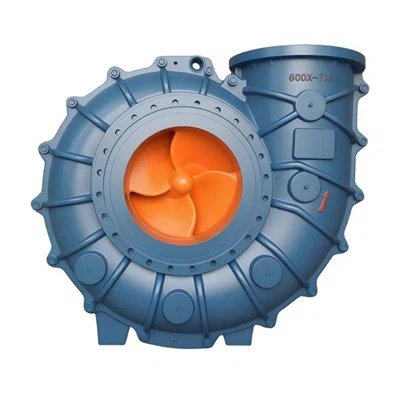
Sand pumps are working in some pretty tough environments, pumping sand and other abrasive materials all the time. Because of this, some parts wear out more quickly than in other types of pumps. The most common parts that need replacing are the impellers, wear plates, and seals.
Impellers are like the heart of the sand pump. They’re constantly in contact with the sand, and the abrasive action can cause them to wear down. A good – quality impeller can cost anywhere from a few hundred dollars to a couple of thousand dollars, depending on the size and type of the pump.
Wear plates are there to protect the pump housing from getting damaged by the sand. When they wear out, you need to replace them. They’re usually not as expensive as impellers, but they still add to the maintenance cost. You might be looking at $100 – $500 per set of wear plates.
Seals are important to keep the pumped fluid from leaking out. They also need to be replaced regularly. A set of seals can cost around $50 – $200.
One way to keep part replacement costs down is to buy high – quality parts in the first place. Sure, they might cost a bit more upfront, but they’ll last longer, which means you won’t have to replace them as often. And as a sand pump supplier, I can tell you that we offer a range of different parts at competitive prices.
Lubrication
Proper lubrication is crucial for the smooth operation of a sand pump. It reduces friction between moving parts, which in turn reduces wear and tear. The cost of lubrication mainly comes from the lubricants themselves and the labor required to apply them.
There are different types of lubricants available, and the cost can vary. A gallon of good – quality lubricant might cost around $20 – $50. The amount of lubricant you need depends on the size of the pump. Some pumps require lubrication every few hours of operation, while others can go longer periods between lubrications.
Labor costs for lubrication are usually not too high. If you have an in – house technician, it’s just part of their regular duties. If you hire an outside service, it might add a few bucks per lubrication.
Labor Costs
Labor costs are a big part of the maintenance cost. Whether it’s for inspections, part replacements, or lubrication, you need someone who knows what they’re doing to work on the sand pump.
As I mentioned before, technician hourly rates range from $50 to $100. If you’re doing a major part replacement, like swapping out an impeller, it could take a few hours of work. So you’re looking at a couple of hundred dollars just for labor. And if there are any complex problems that require more in – depth troubleshooting, the labor cost could go even higher.
Some companies try to cut labor costs by having their own in – house maintenance teams. This can work well, but you need to make sure your team is properly trained. Otherwise, they might end up causing more problems than they solve.
Other Factors Affecting Maintenance Cost
There are a few other things that can affect the maintenance cost of a sand pump. The first is the operating conditions. If the pump is working in a very dirty or harsh environment, like a chemical plant or a saltwater application, the parts will wear out faster, and you’ll need to do more maintenance.
The quality of the water or fluid being pumped also matters. If the fluid has a high concentration of sand or other abrasive particles, it will cause more wear on the pump parts. On the other hand, if the fluid is relatively clean, the pump will require less maintenance.
The age of the pump is another factor. Older pumps generally need more maintenance than newer ones. As the pump gets older, its parts start to wear out, and it becomes more prone to breakdowns.
How to Minimize Maintenance Cost
Now that we’ve talked about all the different components of maintenance cost, let’s discuss how you can keep it down.
First, follow the manufacturer’s maintenance schedule. This schedule is designed to keep your pump in good condition for as long as possible. By doing regular inspections, lubrications, and part replacements as recommended, you can prevent major breakdowns that would cost a fortune to fix.
Second, train your operators properly. A well – trained operator knows how to run the pump correctly, which can reduce wear and tear. Make sure they know the right operating parameters, like the correct flow rate and pressure.
Third, monitor the pump’s performance closely. By keeping an eye on things like vibration, temperature, and flow rate, you can detect problems early and fix them before they get worse.
As a sand pump supplier, I’ve seen a lot of customers save money on maintenance by following these simple steps. And if you’re in the market for a sand pump or need help with maintenance, we’re here to assist you.
FGD Pump Our sand pumps are built to last, but even the best – built pumps need some care. We offer a wide range of spare parts at competitive prices, and we can also provide maintenance services if you need them. So, if you’re looking for a reliable sand pump supplier who can help you keep your maintenance costs down, get in touch with us. We’d love to have a chat with you about your specific needs and see how we can work together.
References
- "Pump Maintenance Handbook" by Heinz P. Bloch. McGraw – Hill Professional.
- Industry – specific guidelines on pump maintenance from various trade associations.
Shijiazhuang Ruite Pump Co., Ltd.
Shijiazhuang Ruite Pump Co., Ltd. is one of the most experienced sand pump manufacturers and suppliers in China. Please rest assured to wholesale high quality sand pump made in China here from our factory. For price consultation, contact us.
Address: Majuan village, Nandong town, Gaocheng, Shijiazhuang, China
E-mail: info@ruitepump.com
WebSite: https://www.rtslurrypump.com/
