As a seasoned LED controller supplier, I’ve witnessed firsthand the common challenges users face when dealing with their LED systems. One frequently asked question is how to reset an LED controller. In this blog post, I’ll walk you through the process, step by step, sharing insights and tips based on my years of industry experience. LED Controller
Let’s start by understanding why you might need to reset an LED controller. There are several scenarios where a reset can be a game – changer. Maybe the controller is not responding to your remote control commands, the LED lights are showing erratic behavior, or you’ve changed the LED configuration and need to start fresh. Whatever the reason, a proper reset can often bring your LED lighting system back to its optimal functioning state.
The Basic Steps of Resetting an LED Controller
1. Gather Necessary Tools
Before you begin the reset process, it’s essential to have the right tools at hand. You’ll typically need a screwdriver (either a flat – head or Phillips, depending on your controller’s design), a power source (usually a power adapter), and your LED controller. Make sure the power source is compatible with the LED controller’s voltage requirements. Using an incompatible power source can damage the controller and the LEDs.
2. Power Off the System
Safety first! Before you do anything else, turn off the power to the LED controller. This step is crucial to prevent electrical shocks and damage to the equipment. Locate the power switch on the power adapter or unplug it from the electrical outlet. Wait for a few seconds to ensure that all residual power has dissipated from the system.
3. Open the Controller Case (if required)
Some LED controllers have a reset button that can be accessed without opening the case. However, for others, you may need to remove the cover to reach the reset mechanism. Use your screwdriver to carefully remove the screws holding the case together. Place the screws in a safe place so you don’t lose them. Once the case is open, handle the internal components with care to avoid static damage.
4. Locate the Reset Button or Pin
Inside the controller, look for a small button or a set of pins marked "Reset". The location of the reset element can vary depending on the model and brand of your controller. If you’re having trouble finding it, refer to the user manual that came with the controller. The manual should have a detailed diagram showing the exact location of the reset function.
5. Perform the Reset
Once you’ve found the reset button or pins, it’s time to initiate the reset process.
- Using a Reset Button: If your controller has a button, use a small object like a paperclip or a toothpick to press and hold the button. Keep it pressed for about 5 – 10 seconds. Some controllers may start to flash their LEDs during this process, indicating that the reset is in progress.
- Using Reset Pins: For controllers with reset pins, you’ll need to use a jumper wire to short – circuit the pins. Connect the jumper wire across the reset pins and hold it in place for a few seconds. Then, remove the jumper wire.
6. Close the Controller Case and Power On
After performing the reset, carefully put the controller case back together and tighten the screws. Plug the power adapter back into the electrical outlet and switch on the power. You should see the LED lights go through an initial startup sequence.
7. Re – program the Controller
Depending on your needs, you may need to re – program the controller after the reset. This includes setting the desired lighting effects, brightness levels, and color options. Follow the instructions in the user manual to pair the controller with the remote control and make the necessary adjustments.
Troubleshooting Common Issues During Reset
1. No Response After Reset
If the LED lights don’t turn on or the controller doesn’t respond after the reset, there could be a few reasons. First, check if the power connection is secure. Make sure the power adapter is properly plugged in and the voltage is correct. If the power is fine, the controller may have a hardware issue. In this case, it’s best to contact our technical support team for further assistance.
2. Incorrect Lighting Effects
Sometimes, after a reset, you may notice that the lighting effects are not as you expected. This could be due to incorrect programming. Double – check the instructions in the user manual and make sure you’re setting the parameters correctly. If the problem persists, we can provide more detailed guidance on programming your specific LED controller.
3. Remote Control Not Working
If the remote control is not working after the reset, try replacing the batteries. If that doesn’t solve the problem, re – pair the remote control with the controller. Refer to the user manual for the correct pairing procedure. Most controllers have a pairing button or a specific sequence of steps to connect the remote control.
Importance of Regular Maintenance
Resetting the LED controller is not only a solution for problems but also a part of regular maintenance. By performing a reset periodically, you can clear any temporary glitches in the system and ensure that the controller is operating at its best. It’s also a good practice to keep the controller clean and free from dust and debris. Use a soft, dry cloth to wipe the exterior of the controller and avoid using harsh chemicals that could damage the components.
Why Choose Our LED Controllers
As a leading LED controller supplier, we take pride in offering high – quality products that are both reliable and easy to use. Our controllers are designed with the latest technology, providing a wide range of lighting effects and customization options. We also offer comprehensive technical support to help you with any issues you may encounter, including the reset process. Our team of experts is always ready to assist you, whether it’s through phone support or detailed instructions sent via email.
Our LED controllers are built to last, with robust construction and high – quality components. We understand the importance of energy efficiency, and our products are designed to consume less power while delivering outstanding lighting performance. With a wide selection of controllers available, we can meet the needs of various applications, from small home lighting projects to large – scale commercial installations.
Contact Us for Procurement and Consultation
If you’re interested in purchasing LED controllers or have any questions about our products, we’d be more than happy to hear from you. Our sales team is well – versed in the features and benefits of our LED controllers and can help you choose the right product for your specific requirements. Whether you’re a DIY enthusiast looking to upgrade your home lighting or a professional contractor working on a large project, we have the expertise and products to meet your needs.
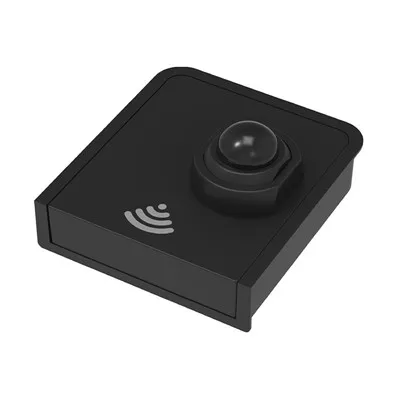
Cabinet Sensor Switch Get in touch with us to start a discussion about your procurement needs. We can provide detailed product information, pricing, and delivery options. Our goal is to ensure that you have a seamless experience from the moment you contact us until you have your LED controllers up and running. Let us help you transform your space with our innovative LED lighting solutions.
References
- Lighting Industry Handbook: A comprehensive guide to LED technology and components.
- Manufacturer’s Manuals: User manuals provided with each LED controller model, offering detailed information on operation, reset procedures, and troubleshooting.
Dongguan Lanbaoli Intelligent Technology Co., Ltd.
As one of the most professional led controller manufacturers and suppliers in China, we’re featured by quality products and low price. Welcome to buy advanced led controller for sale here from our factory. If you have any enquiry about quotation, please feel free to email us.
Address: 10th Floor, Building 32, Golden Town, No. 7 Technology Avenue, Houjie Town, Dongguan City, Guangdong Province
E-mail: anna@lampow.cn
WebSite: https://www.lblsensor.com/
