Are split solar street lights resistant to corrosion? Split Solar Street Light
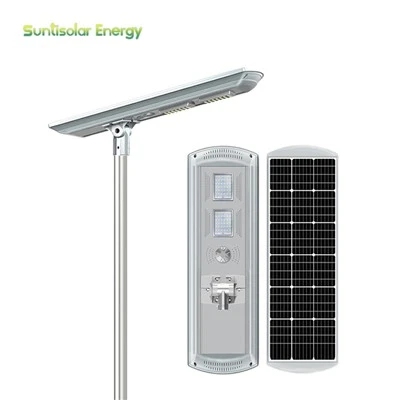
As a supplier of split solar street lights, I’ve encountered numerous inquiries from customers about the corrosion resistance of our products. This concern is entirely understandable, considering that these lights are often installed outdoors, exposed to various environmental elements. In this blog post, I’ll delve into the factors that contribute to the corrosion resistance of split solar street lights and explain how our products are designed to withstand the test of time.
Understanding the Corrosion Process
Corrosion is a natural process that occurs when a metal reacts with its environment, leading to the deterioration of its physical properties. In the case of solar street lights, the primary metals used in their construction are aluminum, steel, and sometimes copper. These metals are susceptible to corrosion when exposed to moisture, oxygen, and certain chemicals present in the atmosphere.
The most common form of corrosion in outdoor environments is rust, which occurs when iron or steel reacts with oxygen in the presence of water. Rust not only compromises the structural integrity of the light but also affects its aesthetic appeal. Other forms of corrosion, such as oxidation and galvanic corrosion, can also occur when different metals are in contact with each other or when the metal is exposed to acidic or alkaline substances.
Factors Affecting Corrosion Resistance
Several factors influence the corrosion resistance of split solar street lights. These include the materials used in construction, the protective coatings applied, the design of the light, and the environmental conditions in which it is installed.
Materials Selection
One of the primary ways to enhance corrosion resistance is through the careful selection of materials. Aluminum is a popular choice for solar street light components due to its lightweight, high strength, and natural resistance to corrosion. When exposed to air, aluminum forms a thin oxide layer on its surface, which acts as a protective barrier against further oxidation. This oxide layer is self-healing, meaning that if it is damaged, it will reform automatically.
Stainless steel is another material commonly used in the construction of split solar street lights, especially for components that require high strength and durability. Stainless steel contains chromium, which forms a passive oxide layer on the surface of the metal, preventing corrosion. However, the level of corrosion resistance can vary depending on the grade of stainless steel used.
Protective Coatings
In addition to using corrosion-resistant materials, protective coatings can be applied to further enhance the durability of split solar street lights. These coatings act as a physical barrier between the metal and the environment, preventing moisture and oxygen from reaching the surface of the metal.
One of the most common protective coatings used for solar street lights is powder coating. Powder coating is a dry finishing process in which a fine powder is electrostatically applied to the metal surface and then cured under high heat. This process creates a durable, protective layer that is resistant to chipping, scratching, and fading.
Another popular coating option is galvanization, which involves coating the metal with a layer of zinc. Zinc is more reactive than iron or steel, so it corrodes first, protecting the underlying metal from rust. Galvanized coatings are commonly used for steel components in solar street lights, providing long-lasting corrosion protection.
Design Considerations
The design of the split solar street light also plays a crucial role in its corrosion resistance. A well-designed light should be able to shed water effectively, preventing the accumulation of moisture on the surface of the metal. This can be achieved through the use of sloped surfaces, drainage holes, and proper sealing to prevent water ingress.
Additionally, the design should minimize the contact between different metals, as this can lead to galvanic corrosion. If different metals must be used in close proximity, insulation materials can be used to separate them and prevent electrical contact.
Environmental Conditions
The environmental conditions in which the split solar street light is installed can have a significant impact on its corrosion resistance. Areas with high humidity, saltwater exposure, or industrial pollution are more likely to cause corrosion than areas with dry, clean air.
In coastal areas, for example, the salt in the air can accelerate the corrosion process, especially for metals that are not properly protected. In industrial areas, pollutants such as sulfur dioxide and nitrogen oxides can react with moisture in the air to form acidic compounds, which can corrode the metal surface.
Our Split Solar Street Lights: Built to Last
At our company, we understand the importance of corrosion resistance in solar street lights. That’s why we take several measures to ensure that our products are built to withstand the harshest environmental conditions.
Firstly, we use high-quality materials in the construction of our split solar street lights. Our aluminum components are made from a corrosion-resistant alloy, and our steel components are either stainless steel or galvanized to provide long-lasting protection against rust.
Secondly, we apply advanced protective coatings to our products. Our powder coating process ensures a uniform and durable finish that is resistant to corrosion, UV radiation, and other environmental factors. We also offer optional coatings, such as anti-graffiti coatings, to further enhance the durability of our lights.
Thirdly, our design team pays close attention to the details of the light’s design to ensure optimal corrosion resistance. Our lights are designed with sloped surfaces and drainage holes to shed water effectively, and we use proper sealing techniques to prevent water ingress. We also minimize the contact between different metals in our designs to reduce the risk of galvanic corrosion.
Finally, we conduct rigorous testing on our products to ensure that they meet or exceed industry standards for corrosion resistance. Our lights are tested in salt spray chambers to simulate the effects of saltwater exposure and in environmental chambers to simulate extreme temperature and humidity conditions.
Conclusion
In conclusion, split solar street lights can be highly resistant to corrosion if they are designed and manufactured using the right materials, protective coatings, and design principles. At our company, we are committed to providing our customers with high-quality, corrosion-resistant split solar street lights that are built to last.
If you are in the market for split solar street lights and are concerned about corrosion resistance, we invite you to contact us to discuss your specific requirements. Our team of experts will be happy to provide you with more information about our products and help you choose the right solution for your project.
Self-cleaning Solar Street Light References
- ASM Handbook, Volume 13A: Corrosion: Fundamentals, Testing, and Protection. ASM International, 2003.
- Corrosion Basics: An Introduction. NACE International, 2007.
- Solar Street Lighting Handbook. International Renewable Energy Agency (IRENA), 2017.
Yantai Xutai New Energy Technology Co., Ltd.
Yantai Xutai New Energy Technology Co., Ltd. is one of the most professional split solar street light manufacturers and suppliers in China. With a professional production team, we are able to meet the needs of the majority of our customers. Please rest assured to buy premium split solar street light made in China here from our factory.
Address: No.229, Tongshinan Road, Zhifu District, Yantai City, Shandong Province, China
E-mail: Joe.chu@suntisolar.com
WebSite: https://www.suntisolar.com/
