Hey everyone, it’s Jake here, from the formwork accessory crew—you know, the people who show up when contractors are stuck with high-strength concrete (HSC) construction and their formwork is either blowing out, warping, or just not holding up. Lately, I’ve been getting so many DMs and calls asking one specific question: “Are there actually any formwork accessories built for high-strength concrete? Because regular stuff isn’t cutting it, and I’m tired of patching spalls after every pour.” Formwork Accessory
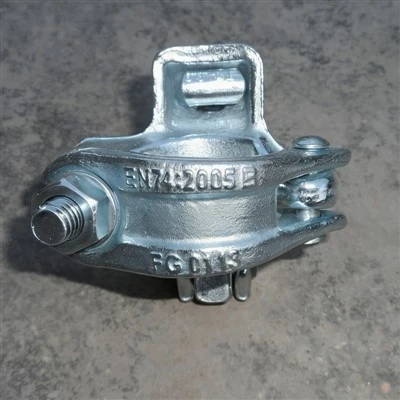
First off, let’s cut to the chase: yes, there are tons of accessories made specifically for HSC work, but most guys just grab whatever’s on the shelf at the local supply yard because they don’t know the difference. Let’s start with the basics—high-strength concrete isn’t your grandma’s mix. It’s got way higher compressive strength (usually 6,000 psi and up, sometimes 12,000+ for mega projects), it sets way faster, and it’s way more rigid when it cures. That means regular formwork accessories—like flimsy tie rods or wobbly walers—can’t handle the pressure. If you use standard gear, you’re looking at blowouts, uneven surfaces, or even formwork shifting mid-pour, which is a nightmare. I’ve seen a job site shut down for 3 days because someone used regular ties on a 10,000 psi HSC wall. Total waste of time and money.
Let’s talk about the first big one: heavy-duty tie rod systems, not the cheap zinc-plated ones. Wait, not all heavy-duty ties are the same—there are HSC-specific threaded tie rods that have a higher tensile strength (like 15,000 psi or more) and a smoother coating that doesn’t stick to HSC as it cures. Standard tie rods get gummed up with the super dense HSC mix, making them impossible to strip without chipping concrete or breaking the rod. We started selling these self-lubricating coated tie rods about 5 years ago, and the feedback? Job sites are stripping formwork in half the time, no chipping, no extra labor. Also, there’s the waler bracket accessory—wait, not just any waler brackets. The ones with reinforced steel cores that clamp directly to those heavy-duty ties. Regular brackets bend under the lateral pressure of HSC; these ones distribute the load evenly so you don’t get that bulging mid-wall that’s a pain to fix. Pro tip: for really tall HSC columns (like 20+ feet), we pair these brackets with walers made of high-density aluminum, not wood. Wood warps when it gets wet with HSC’s mixing water, aluminum stays rigid.
Next up, something most people sleep on: concrete formwork sealants and edge retainers for HSC. HSC is way more viscous than regular concrete, so it seeps into every tiny gap in formwork joints—even ones that look totally sealed. That’s how you get those ugly “honeycombs” or surface voids that require grinding and patching. We stock these high-temp, flexible foam edge seals that are designed to expand just enough to block HSC seepage, but not so much that they get stuck when you strip formwork. For slab pours, there’s also the joint seal strips that work specifically with HSC’s fast cure rate—they don’t break down when exposed to the high early strength heat HSC gives off (like, HSC can hit 200°F as it cures, which melts regular silicone sealant). I had a buddy on a downtown high-rise job that was using generic sealant on their HSC slabs; they had to grind 10 hours worth of voids. Switched to our HSC-specific seals, and they haven’t had a void in 6 pours. Game changer.
Wait, what about anchor systems for embedded elements in HSC? Like, if you’re pouring a HSC foundation that needs to hold steel beams or precast panels. Regular anchors (like wedge anchors) don’t have enough pull-out strength in HSC because HSC is so dense—it doesn’t grip the anchor the same way regular concrete does. We sell these undercut anchors specifically engineered for high-strength concrete; they cut a small, tight cavity into the HSC when you drive them in, so the concrete locks around the anchor, not just sits on top. We tested these last year on a bridge project where they needed anchors holding 50,000 lbs each—regular wedge anchors would’ve pulled out at 28,000, these ones held steady. Also, for smaller jobs, there’s these epoxy anchor kits made for HSC that cure way faster than standard epoxy—perfect when you need to set elements same-day after pouring HSC. No waiting 24 hours for the epoxy to harden, which keeps job sites moving.
Another underrated accessory: formwork alignment pins for HSC. HSC cures so fast that if your formwork shifts even 1/8 of an inch while you’re pouring, by the time you notice, it’s already set and you can’t adjust it. These stainless steel alignment pins are designed to lock form panels into place before you pour, with tight tolerances so there’s zero shift. We’ve seen job sites use regular nails or just rely on clamps, and they end up with uneven wall lines that require cutting and re-patching. The alignment pins cost a few bucks more, but the time and material they save is insane. One customer told us they saved $12,000 on labor alone last quarter by using these pins on their HSC parking garage pours.
Wait, let’s get real—there’s also a bunch of cheap knockoffs out there that say they’re for HSC, but they’re just regular gear with a sticker. How do you spot the real stuff? Let’s break it down: first, check the material specs. Heavy-duty tie rods for HSC should have a tensile strength rating of at least 14,000 psi (standard is 10,000). The sealants should be rated for temperatures up to 250°F to handle HSC’s curing heat. Undercut anchors should come with test data from accredited labs showing they work in 8,000+ psi concrete. If a supplier can’t show you that data, it’s probably not built for HSC. Also, don’t fall for the “one-size-fits-all” hype—high-strength concrete projects range from small basement pours to 50-story skyscraper cores, so your accessories should match the project size. For small residential HSC foundations, you don’t need the industrial-grade undercut anchors, but you do need the coated tie rods to avoid stripping headaches. For mega projects, you need the heavy-duty walers and alignment pins that can handle 100+ foot wall pours.
I also want to talk about a mistake a lot of contractors make: using form release agents designed for regular concrete on HSC. HSC’s density means the release agent has to be way more potent to keep concrete from sticking to formwork. Regular release agents work by creating a thin film, but HSC’s super fine particles get through that film and stick hard. We have a water-based, HSC-specific release agent that’s non-toxic, doesn’t stain, and works on steel, aluminum, and wood formwork. We tested it against a leading brand’s standard release agent last year: the standard one left 12% of the formwork stuck with concrete after a pour, our HSC one left less than 1%. That’s way less labor for scraping and cleaning formwork between pours.
Let me give you a quick real-world example to drive this home. Last year, we worked with a general contractor on a 30-story apartment building in Chicago—their core was all 10,000 psi HSC. They were using regular ties and walers at first, and after the first pour, they had 18 blowouts, 2 hours of chipping per tie, and a 2-day delay. They switched to our heavy-duty HSC tie rod system, reinforced waler brackets, the specialized release agent, and alignment pins. For the next 12 pours, they had zero blowouts, 10 minutes of stripping per tie, and no delays. That’s the difference between using the right accessories and cutting corners.
At the end of the day, high-strength concrete isn’t going away—it’s being used more and more for taller buildings, stronger bridges, and durable infrastructure. If you’re working with HSC, don’t treat it like regular concrete. The accessories you pick make or break your pour: save money on cheap gear, and you’ll spend way more time fixing mistakes. Invest in HSC-specific accessories, and you’ll get cleaner pours, faster stripping, less labor, and way less stress.
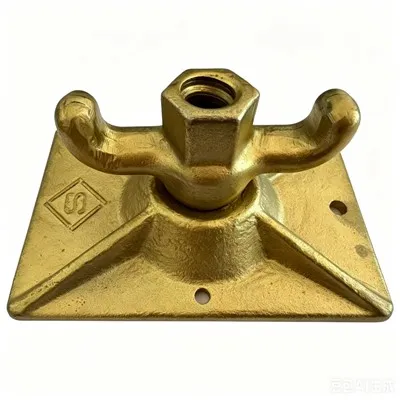
If you’re working on a HSC project right now and aren’t sure which accessories you need, hit us up. We don’t do one-size-fits-all—we’ll talk through your project size, your concrete mix strength, and what you’re trying to build, and help you pick exactly what you need (no upsells, promise). Whether you’re a small crew doing a residential HSC foundation or a big team on a skyscraper core, we’ve got the gear that works. Just reach out, and let’s make your next HSC pour a smooth one.
Scaffoldings References:
- Formwork for Concrete (7th ed.), American Concrete Institute, 2019.
- High-Strength Concrete: Properties and Applications, International Federation for Structural Concrete, 2021.
- Formwork Accessory Performance for High-Strength Concrete Pours, Construction Materials & Methods Journal, 2022.
Rizhao Wellfit Scafform Co., Ltd.
As one of the most professional formwork accessory manufacturers and suppliers in China, we have world-leading production equipment and strong manufacturing capabilities. Please feel free to buy high quality formwork accessory at competitive price from our factory.
Address: No. 7, Huasheng Road, Taoluo Town Industrial Zoon, Donggang District, Rizhao City
E-mail: sales@wfscafform.com
WebSite: https://www.wfscafform.com/
