Hey everyone, let’s cut to the chase—if you’ve ever spent a sweltering midday trying to lug water cans to your crops, or stared at a field half-dying because your big tractor is tied up elsewhere, you’ve probably wondered: can a walking tractor actually do irrigation? Spoiler alert? It’s not just possible—it’s one of the most underrated uses for these bad boys, and as someone who’s spent the last 8 years selling walking tractors to small-scale farmers all over the world, I’ve seen this work way more times than I can count. Let’s break this down like we’re chatting over a cold drink after a long day, no boring textbook jargon, just real farm stuff. Walking Tractor
First, let’s make sure we’re on the same page about what a walking tractor actually is, right? For anyone new—these aren’t those clunky, oversized tractors you see on big commercial farms that take up half the road. A walking tractor (sometimes called a two-wheeled tractor, or a power tiller if you’re in parts of Asia) is that compact, wheeled unit you walk behind, with a small diesel or gas engine, replaceable attachments, and all the grunt of a big tractor but way smaller. We’re talking 5 to 18 horsepower usually—tiny enough to navigate between rows of corn or rice without squishing half your crop, perfect for small to mid-sized plots (think 1 to 10 acres, or even smaller if you’re growing veggies for market). Most people know them for plowing, tilling, or hauling firewood, but irrigation? That’s where the real magic happens, especially if you don’t have a ton of cash for a separate irrigation pump or a big tractor that can only do one job.
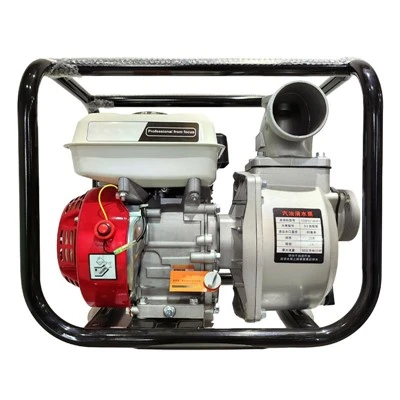
So how does this even work? The key is attachments. Walking tractors aren’t just one tool—they’re a base for a whole line of add-ons, and there are solid irrigation attachments made specifically for them. Let’s start with the most common one: the water pump attachment. Here’s how it works: you swap out the tiller blades or the plow for a small, high-flow water pump, and you hook the pump directly to the tractor’s engine power take-off (PTO)—that’s the little shaft that transfers engine power to attachments, like how a lawnmower blade connects to its motor. Most of our walking tractors have a 6 to 12 horsepower engine, which is more than enough to run a 2 or 3-inch centrifugal pump. A 3-inch pump can move like 1,500 to 2,000 gallons of water per minute—way more than you need for a small field, and enough to pump from a well, a pond, a river, or even a rainwater catchment tank up to your crop rows. I’ve had farmers in India use this to pump from village ponds that are 10 feet deep, and farmers in Brazil use theirs to pull water from small rivers on their edge of the Amazon. No big fuel bills, no separate motor for the pump—just use what you already have for your tractor, and save cash.
But wait, pumping water is only half the battle—you need to get it to the plants, right? That’s where the next set of attachments come in, and this is where it’s way more flexible than a fixed irrigation system. Some farmers pair the pump with a portable sprinkler attachment that hooks straight to the pump’s outlet. The sprinkler mounts right on a frame that attaches to the back of the walking tractor, so you can roll it up and down your rows, adjusting the pressure to be a gentle mist for veggies or a stronger spray for corn. Other farmers use lay-flat hoses—you run the hose from the pump to the end of your field, and then drag the walking tractor along the hose to move it as you go, so you don’t have to unroll and reroll every time. My favorite thing about this? If your field is sloped, or you have random trees or fences in the way, you can just move the hose and the tractor to where you need it, no permanent pipes digging up your soil. A lot of the bigger, fixed irrigation systems are terrible for small plots with weird shapes—they only work for straight rows, but walking tractors? I’ve seen them irrigate fields that are L-shaped, circular, even irregular plots with fruit trees scattered in them. It’s like having your own mobile irrigation rig, instead of being stuck with one spot.
Now, let’s get real and talk about the limitations, because I don’t want to sell you something that’s not going to work for you. First, horsepower matters. If you have a tiny 5 horsepower walking tractor, don’t try to run a 5-inch pump that’s made for 10 acres—you’ll stall the engine, burn it out, and be out a tractor and a pump. Stick to pumps sized for your tractor’s power—we always tell customers: for a 5-8 HP tractor, a 2-inch pump is perfect; 9-12 HP, 3-inch; anything over 15 HP, you can go up to 4-inch. That’s a rule of thumb, no fancy math needed. Second, if you’re pumping water really far or really high, like from a well that’s 30 feet deep and then up a 15-foot hill to your field, you need to make sure the pump is rated for that lift. A lot of cheap aftermarket pumps say they can do 30 feet, but in real use, they only do 20, so we only sell pumps that are tested for 10 feet more than the actual lift you need—better safe than sorry. Third, if you’re working in really soft mud, like rice paddies, you need to get the right wheel attachments—regular wheels will sink, so we sell wide, paddle-shaped wheels that grip the mud without sliding, so you can still move the tractor and pump through flooded fields without getting stuck. That’s a game-changer for rice farmers, by the way—they’ve been using walking tractors for irrigation in paddy fields for decades, way before big tractors were common there.
Let me throw in a real story from a customer of mine to make this concrete. Last year, I was at a small farm in Iowa (yes, even in the US, walking tractors are catching on for hobby and small commercial farms) run by a guy named Tom. He had a 7-acre plot of mixed veggies—tomatoes, peppers, squash—and he’d been using a small John Deere lawn tractor for irrigation, but it was too underpowered to pump from his pond, and it kept getting stuck in the soft soil between rows. He bought a 9 HP walking tractor from us, swapped the tiller for a 3-inch pump and a portable sprinkler, and told me it cut his irrigation time in half. He used to spend 3 hours a day hauling hoses and moving the lawn tractor, and now he can irrigate the whole 7 acres in 90 minutes. The best part? He can still use the tractor for plowing his fields in the spring, hauling harvest to the market in the fall, even snowblowing his driveway in the winter. That’s multi-use—you don’t have to buy a separate irrigation pump, a separate tractor for hauling, a separate snowblower. One machine does all that, which saves farmers so much money.
Another customer, Maria, in Mexico who grows corn and beans on a 5-acre plot, told me she used to have to rent a neighbor’s big tractor for irrigation every time her crops needed water, which cost her like $50 a day—something she could only afford 2 or 3 times a growing season, which meant her yields were low. After buying her walking tractor, she paid for the whole thing in one season just from not having to rent. She uses the pump to pull water from a small spring on the edge of her land, uses the tractor to move the hose, and now she can irrigate whenever she needs, even during dry spells. That’s the big win here—for small-scale farmers, cash flow is everything, and walking tractors let you spread out your expenses, not buy a bunch of separate, one-use tools that sit in your shed half the year.
Now, let’s talk about some tips to make this work well, because even the best tractor won’t do it right if you don’t set it up right. First, get the right size hose. If you have a 3-inch pump, use a 3-inch hose—smaller hose will restrict water flow, so your irrigation is weak. Larger hose might be too heavy to pull, so stick to the matching size. Second, maintain your pump and tractor regularly. Change the oil in the tractor every 50 hours of use, clean the pump filter every week, check the hoses for leaks—simple stuff, but if you skip it, the whole thing will break down when you need it most during a dry spell. Third, if you’re new to this, practice on a small part of your field first. Don’t hook up the pump and turn it on full blast the first time you use it—test the pressure, make sure the tractor doesn’t pull too hard, adjust the sprinkler to not damage your crops. We offer free tutorials for all our customers, either in person if you’re local, or over a video call if you’re further away—no hidden fees, just part of being a good supplier.
Wait, some people might ask—what about electric walking tractors? Can those be used for irrigation too? The short answer is yes, but they’re better for small plots. Electric models are quieter, cheaper to run (no fuel), but they have smaller engines, usually 3 to 8 HP, so they work well for 1 to 3 acre plots. They’re great for market gardeners who are in areas with strict emissions rules, or farmers who want to save on fuel costs. The only downside is you need a power source—either an outlet nearby or a portable battery pack. But if you have a small plot and access to electricity, that’s a solid option too. We sell both diesel and electric walking tractors, so whatever your needs, we’ve got options.
Let’s also address the biggest misconception I hear all the time: “Walking tractors are too old-fashioned, they can’t do modern irrigation.” Nah, that’s not true. The basics are the same—you need power to move water, and walking tractors have more than enough power for small to mid-sized farms. They’re not a replacement for big center-pivot irrigation systems for 100-acre commercial farms, but 90% of the farms out there are small—under 10 acres, run by family farmers, growing for local markets, not giant grocery chains. For those guys, walking tractor irrigation is way more practical, way cheaper, and way easier to maintain than any fancy system. Big systems require a lot of upfront cash, professional installation, and repairs by a mechanic that charges $100 an hour. Walking tractors? You can fix most issues yourself, with basic tools, parts that cost $10 or $20, no fancy training needed.
Now, before I wrap this up, let’s get to the part that matters most if you’re a farmer reading this: how do you get started? First, figure out your needs. How big is your field? What’s the source of your water (pond, well, river)? What’s the lift or distance you need to pump water? That will help you pick the right size tractor and pump. If you’re not sure, hit me up—no sales pitch, just a straight talk to help you figure it out. We don’t pressure customers to buy something that’s too big or too small for their farm, because we want you to have a tractor that works for you for years.
If you’re tired of renting expensive equipment for irrigation, tired of watching your crops wilt during dry spells, tired of having a bunch of separate tools that only do one job, a walking tractor with an irrigation attachment is a no-brainer. It’s not just for plowing fields anymore—it’s a mobile, multi-use workhorse that can save you time, money, and headache throughout the whole growing season.
I should also mention that many of the irrigation attachments for walking tractors are compatible across most brands, right? You don’t have to buy our attachments with our tractor—most standard attachments fit, which is another plus if you already have a walking tractor from another brand. But if you’re in the market for a new tractor, we test all our attachments to make sure they work seamlessly, so you don’t have to deal with compatibility issues.

At the end of the day, farming is all about being flexible, working with what you have, and not wasting money on things that don’t pull their weight. A walking tractor for irrigation does that—pulls water, pulls plows, pulls hauling carts, all for one price that’s way less than buying three separate tools. If you’re ready to stop struggling with irrigation and start using a tool that works as hard as you do, we’re here to help. Just reach out to talk through your setup, ask any questions, or get a quote—no obligation, no pressure, just real advice for real farmers.
Rice Transplanter References
- Food and Agriculture Organization of the United Nations. (2020). Small-Scale Power Tractor Use for Irrigation in Low-Income Agricultural Settings.
- International Association of Agricultural Engineers. (2021). Performance Guidelines for Two-Wheel Tractor-Driven Water Pumps.
- National Agricultural Statistics Service. (2022). Adoption of Multi-Purpose Small Tractors in U.S. Small-Scale Farming Operations.
- Sustainable Agriculture Research and Education. (2020). Cost-Benefit Analysis of Mobile Irrigation Systems for 1-10 Acre Plots.
Huzhou Liangyi Agro Machinery Co., Ltd.
As one of the most professional walking tractor manufacturers and suppliers in China, we have world-leading production equipment and strong manufacturing capabilities. Please rest assured to wholesale advanced walking tractor from our factory. Contact us for more cheap products.
Address: High-Tech Industrial Zone, Huzhou City, Zhejiang Province, China
E-mail: Liangyi_agro@126.Com
WebSite: https://www.cnliangyi-agro.com/
