Hey folks, if you’re in the market for a skid-mounted refueling unit (SMRU) or already own one, let’s be real: the pump is the heart of the whole setup. I’ve been supplying these bad boys for 8 years now, and I can’t tell you how many times customers have come to me panicking because their pump’s acting wonky—like it’s sputtering, taking forever to fill a tank, or making weird noises that sound like a cat being stepped on (not cool for a refueling job). Today I’m breaking down exactly how you can check your SMRU pump’s performance, no fancy degree required, just some common sense and a few tools you probably already have in your toolbox. No stuffy engineering jargon, promise—this is the real deal, from a guy who’s fixed way too many pumps on-site. Skid-mounted Refueling Unit
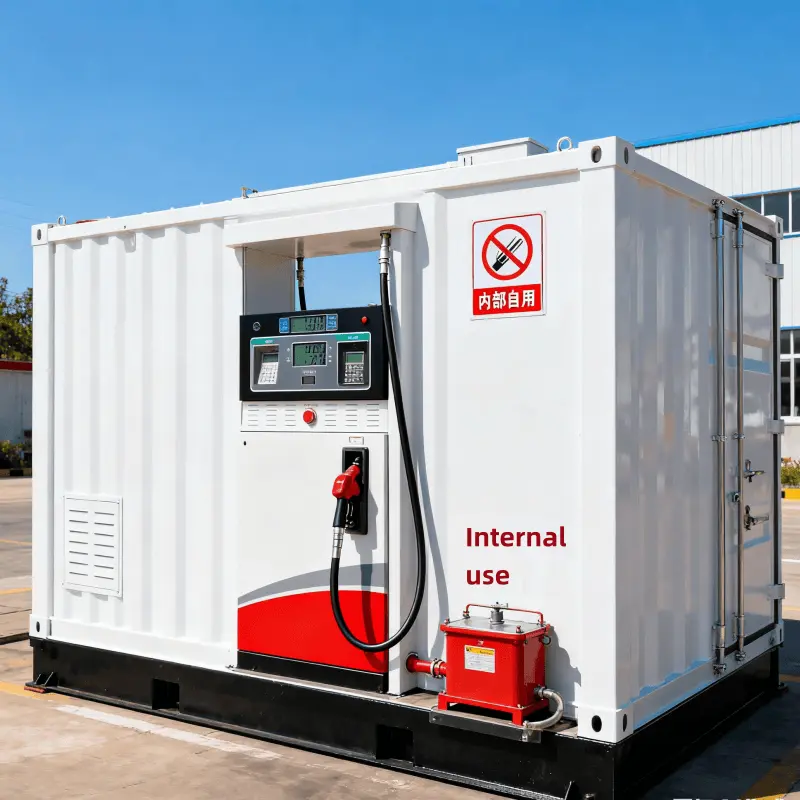
First off, let’s start with the basics. You can’t test a pump if the whole unit’s not set up right. I see this mistake all the time: customers hook up the SMRU to a wonky power source or leave the suction line loose. So step one: double-check the prep work. Make sure your power cord’s not frayed (if it’s electric) or your diesel engine’s got enough fuel and the battery’s cranking right. For manual pumps, yeah, same thing—no kinks in the hose, no leaks where the suction line meets the tank. I always tell my crew to do a quick pre-check before even thinking about performance testing, because garbage prep = garbage results. If the suction line’s got a bubble in it, that’s gonna mess everything up, even if the pump itself is brand new.
Next up: flow rate. That’s probably the most important metric for a refueling pump, right? No one wants to stand around waiting 10 minutes for a tank to fill. How do you test this? Super simple. Grab a 5-gallon bucket (or whatever size you’ve got marked—just make sure you know the exact volume) and a stopwatch. Hook up your pump, set it to dispense, and time how long it takes to fill that bucket all the way. Then do the math: Volume ÷ Time = Flow Rate. For most standard SMRU pumps, you’re looking for around 10 to 15 gallons per minute (GPM) for electric models, and a little higher—like 12 to 18 GPM—for engine-driven ones. Wait, but here’s the catch: if you’re testing at a super high elevation, or the temperature’s freezing, that flow rate might dip a little. Fuel gets thicker when it’s cold, so the pump has to work harder. I once had a customer in Montana complaining his pump was “broken” in January, turns out it was just -10°F and diesel was gel’d up a bit. Let that warm up a little, and the flow rate jumps right back. That’s a common mix-up, so don’t panic if your numbers are off in extreme weather.
Then there’s pressure. If the flow rate’s fine, but the pump’s struggling to build pressure, that’s a problem—you’ll get uneven dispensing, or maybe fuel will back up into the lines. How do you check pressure? You don’t need a fancy industrial gauge, though I do recommend a good inline fuel pressure gauge (they’re like $20 at any auto parts store, no big deal). Screw it into the discharge line, right after the pump, and run the pump at full speed. For most SMRU pumps, the ideal working pressure is between 10 and 30 PSI. If it’s below 10, that means there’s a leak in the suction line, or the pump’s impeller’s worn out. If it’s way above 30, that could mean a clogged filter or a closed valve somewhere. I had a customer last year who thought his pump was awesome because pressure was 40 PSI—turns out he’d forgotten to change the fuel filter for 2 years, so it was totally plugged. The pump was straining like crazy, and he was burning way more fuel than he needed. Lesson there: pressure’s your friend, but only if it’s in that sweet spot.
Now, let’s talk about noise and vibration. Yeah, I know this sounds silly, but I’ve fixed so many pumps just by listening. A new, healthy SMRU pump should run pretty quietly—maybe a low hum, but no grinding, rattling, or squealing. If it’s making noise like a bag of rocks being shaken, that’s a red flag. Usually that means the impeller’s damaged, or there’s air in the lines. Wait, air in the lines is a big one—if you hear a gurgling noise, that’s probably air getting into the suction side. Check all the connections there; even a tiny crack in a hose can let air in, and that’ll make the pump cavitate (that’s the term for it, but don’t worry about remembering it—just know it sounds weird and kills performance fast). Vibration too—if the whole skid is shaking when the pump’s running, that could mean the pump’s not mounted tight, or the motor’s out of balance. I always tell my customers to do a “hand test”: put your hand on the pump housing when it’s running. If it’s vibrating so bad it makes your hand numb, something’s off. Don’t wait till it falls apart—fix it now.
Leak checks are non-negotiable too. You don’t want fuel leaking all over, that’s a fire hazard and a waste of product. Start the pump, run it for 5 minutes at full speed, and check every single connection: suction line, discharge line, hose nozzle, even the pump’s housing itself. Look for drips, puddles, or even just damp spots. A tiny leak from a loose hose clamp might seem like no big deal, but over time it’ll get worse, and it’s messing with the pump’s prime (that’s the vacuum it needs to pull fuel from the tank). I once had a customer who ignored a small leak for 6 months, and when we finally opened the pump up, half the seals were gone—cost him way more in parts than just tightening the clamp would have. Pro tip: after you’re done testing, wipe the whole skid down with a rag so you can see if there are any new leaks next time you run it. Way easier than hunting for a drip that showed up an hour ago.
Wait, what about the electrical side? If you’ve got an electric SMRU pump, this is a big one. I see customers skip this all the time, and then wonder why their pump won’t run right. First, check the voltage at the pump when it’s running. If it’s supposed to be 110V and you’re only getting 90V, that’s not enough power— the pump will be weak, flow rate will be low. Also, check the amp draw. Most SMRU pump motors have a label on them that says the rated amps. Use a simple amp clamp (they’re cheap at hardware stores) to see what the actual draw is. If it’s way higher than rated, that means the motor’s overworking—could be a bad bearing, or the pump’s clogged. If it’s lower, maybe a loose connection or a faulty switch. Don’t mess with wiring if you’re not comfortable, but a quick voltage and amp check can save you a ton of headaches.
Now, let’s talk about what normal vs. bad numbers look like, so you don’t drive yourself crazy. Let’s say you test a 15 GPM pump at 70°F: it takes 20 seconds to fill a 5-gallon bucket, flow rate is 15 GPM, pressure is 20 PSI, it hums softly, no leaks, vibration is minimal. That’s a healthy pump. If it takes 35 seconds to fill that same bucket (flow rate ~8.6 GPM), pressure is 5 PSI, it’s grinding, and there’s a leak on the suction line— that’s a problem, and you need to look into it. Also, don’t test right after you’ve refilled the SMRU’s tank, because there might be slosh or air in the lines. Wait 10 minutes after refueling before testing, that’ll give everything time to settle.
Here’s a trick I learned from my old mechanic buddy: do a “before and after” test with the filter. Every SMRU has a fuel filter, right? If you test the pump and the flow rate or pressure is off, swap out the filter with a new one and test again. 9 times out of 10, a clogged filter is the culprit, not the pump itself. I keep a stock of filters on my service trucks for this exact reason—saves customers from wasting money on a new pump when all they needed was a $5 filter.
Also, let’s cover a few common mistakes I see customers make all the time that mess up pump performance. First, running the pump dry. Never do that! Even if you’re just testing, make sure the suction line is submerged in fuel before you turn the pump on. Running it dry for even 10 seconds can wear out the impeller or seals way faster. Second, using the wrong fuel. If your SMRU is for diesel, don’t try to run gas through it— that’ll wreck the pump’s internal parts in no time. Third, not doing regular checks. You don’t have to test the pump every day, but once a month, or before a big job, is smart. Catching a small issue early is way easier than fixing a total breakdown mid-job.
At the end of the day, checking your SMRU pump’s performance isn’t rocket science. It’s just paying attention to the details: flow rate, pressure, noise, leaks, power. I’ve said this a hundred times to my clients, and I’ll say it again: if something feels off, it probably is. Don’t ignore a weird noise or a slow fill— a 10-minute checkup now can save you hours of downtime and a huge repair bill later.
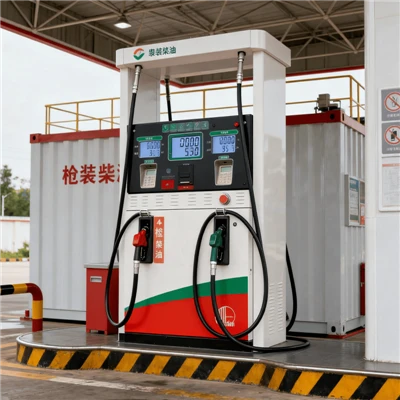
If you’re not sure how to do any of these tests, or you want a professional to come out and take a look at your SMRU pump, just reach out to our team. We’ve been supplying and servicing skid-mounted refueling units for years, and we know these pumps inside and out. Whether you need a quick checkup, a filter change, or a full pump repair, we’ve got you covered. Don’t wait till your pump gives out on you when you have a big delivery to make— reach out today to talk about how we can help keep your SMRU running smooth.
Self-contained Fuel Station References:
- National Fire Protection Association. (2021). Standard for the Storage and Handling of Petroleum Products (NFPA 30).
- American Petroleum Institute. (2019). Specification for Skid-Mounted Refueling Units (API RP 12R).
- Fuel Pump Industry Association. (2022). Performance Testing Guidelines for Diesel Dispensing Pumps.
- Occupational Safety and Health Administration. (2020). Safety Standards for Fuel Dispensing Equipment Operation (OSHA 29 CFR 1910.110).
Shandong Jingcai Industry and Trade Co., Ltd.
As one of the most professional skid-mounted refueling unit manufacturers and suppliers in China, we also support customized service. With abundant experience, we warmly welcome you to wholesale high quality skid-mounted refueling unit in stock here from our factory. Contact us for free sample.
Address: Caojiazhuang Village Industrial Park, Lingcheng Town, Qufu City, Jining City, Shandong Province.
E-mail: shandongjingcai888@gmail.com
WebSite: https://www.sdjingcaicn.com/
