If you’ve just left a dental clinic after getting zirconia implants, your first question is probably: “What can I eat now?” As a supplier of high-quality zirconia implant components, I talk to patients and dentists every week who have the same worry—they don’t want to accidentally damage their new implants or prolong their recovery. The good news is that with a zirconia implant, you don’t have to stick to a strict “liquid-only” diet for months, unlike some older metal-based implant options. But there are smart choices to make in the first few weeks and long-term habits to keep your implants in top shape. Let’s break this down so you can eat confidently without stress. Implant Zirconia
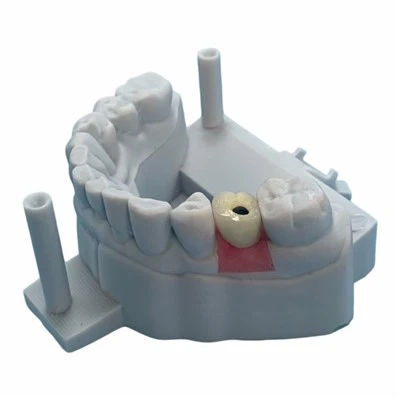
First, it’s important to understand what a zirconia implant is, because that shapes the rules. Zirconia is a ceramic material, lighter and non-metallic, which makes it gentler on your gum tissue and less likely to cause allergic reactions than titanium. The implant fuses with your jawbone (a process called osseointegration) over 3 to 6 months, depending on how many implants you get and your overall oral health. For the first 2 weeks after placement, your gums are still healing, and the implant hasn’t fully bonded to the bone yet. That’s when you’ll want to stick to soft foods that don’t put pressure on your new implant site. I always tell people to think of this period like healing from a minor surgery—you wouldn’t chomp into a hard burger right after appendix removal, right? So avoid crunchy, chewy, or very hot/cold foods during this initial healing phase.
Let’s get specific about the first week to 10 days. Soft foods like mashed potatoes, yogurt, applesauce, smoothies, scrambled eggs, and well-cooked pasta are all great. No raw veggies (even carrots cut up small can be a stretch), no nuts, no popcorn, and no ice. Wait, no ice? Even if it’s just crushed, chewing on ice can crack a zirconia crown temporarily, and during healing, you don’t want any extra pressure on the implant. Some people also wonder about spicy foods—if they don’t irritate your sensitive gums, a little bit of mild spice is fine, but skip super hot chilies that might make your gums swell. I’ve seen patients mistakenly think because zirconia is strong, they can go back to normal eating right away, but rushing it can lead to gum irritation or even disrupt osseointegration, which would mean waiting longer for your final restoration.
After the first 2 weeks, when your gums have closed up and you start seeing your dentist for a check-in, you can gradually add more textured foods. For most people, this is when you can try soft cooked meats like chicken or fish, well-cooked grains like quinoa or brown rice, and even soft fruits like bananas or melon. Still, avoid anything extra hard or chewy for another month. Things like bagels, crusty bread, hard candies, and steak with tough fibers are still off-limits. By the 3-month mark, once osseointegration is complete (your dentist will confirm this with an X-ray), you can go back to most of your normal diet. That’s the big difference with zirconia implants—once fully integrated, they’re just as durable as natural teeth, so you don’t have to make long-term sacrifices.
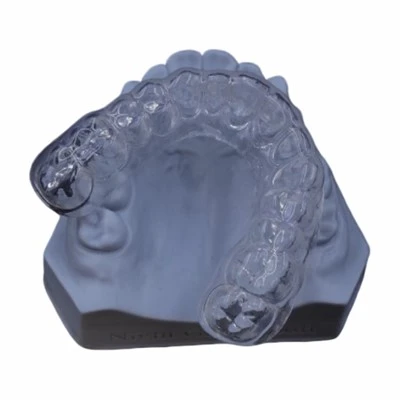
Now, what about long-term habits? Even after the implant is fully healed, there are a few things to keep in mind to make sure your zirconia implant stays healthy. The biggest one is oral hygiene—just like your natural teeth, you need to brush twice a day, floss daily, and use an antiseptic mouthwash to keep plaque away. Plaque buildup can lead to gum disease around the implant, which is the number one cause of implant failure. As a supplier, we make zirconia implants that are smooth and resistant to plaque, but that only works if you maintain good hygiene. Another tip: avoid bad habits that damage your teeth and implants, like chewing on pens or pencils, opening bottles with your teeth, or grinding your teeth at night. If you grind your teeth, your dentist might suggest a nightguard to protect the zirconia crown, since even strong zirconia can wear down from constant grinding.
I often hear patients ask, “Can I eat all the same things I ate before losing my tooth?” The answer is mostly yes, with a few small exceptions. Some very acidic foods, like citrus fruits or soda, can erode the crown over time if you eat them in excess, just like natural teeth. So it’s best to enjoy them in moderation and rinse your mouth with water after, instead of swishing soda around your mouth. Also, sticky foods like caramel or taffy—while they won’t damage the implant itself—can pull at the crown if they get stuck between your teeth, which is uncomfortable during healing. Once healed, you can have them occasionally, but it’s still a good idea to brush after.
Of course, every patient’s case is a little different. If you had multiple implants placed, or if your bone density is lower, your recovery time might be longer, so you’ll need to be more careful with your diet. That’s why it’s so important to follow your dentist’s specific aftercare instructions—they know your oral health best. I always recommend that you ask your dentist at your placement appointment to give you a personalized list of foods to avoid and when you can add them back. That way, you won’t have to guess, and you’ll feel more confident as you heal.
As a zirconia implant supplier, I’m not just selling components— I want people to have a smooth, successful implant experience. I’ve worked with dentists who tell me that patients who follow the diet guidelines heal faster and have better long-term outcomes. The key is to think of the first few months as a transition period, not a permanent restriction. Once your implant is fully fused, it’s designed to support your daily eating, from morning toast to evening dinner.
Now, let’s clear up a common myth: some people think zirconia implants are too fragile to eat hard foods. That’s not true when they’re properly integrated. Zirconia has a high flexural strength, meaning it can withstand the same amount of force as natural teeth. The fragility comes in during the initial healing, when the implant isn’t yet bonded to the bone, or if you chew on something extremely hard and unyielding (like ice or hard candy) right after placement. Once osseointegration is done, you can safely eat apples, carrots, and other crunchy foods—just like you did before.
Another point to consider: zirconia implants are biocompatible, so you don’t have to worry about metal leaching into your body, which can sometimes cause digestive issues. That means once healed, you can eat without worrying about reactive materials. That’s one of the biggest benefits of zirconia over traditional titanium implants for many people.
If you’re currently considering zirconia implants, the diet question is probably on your mind, but it shouldn’t be a reason to delay. The recovery period is short, and the payoff is being able to eat normally again—without the hassle of dentures or the concerns of metal implants. For those who’ve already had the procedure, be patient with yourself as you heal. It’s normal to feel cautious at first, but by following your dentist’s advice and making gentle, gradual changes to your diet, you’ll be back to enjoying all your favorite foods in no time.
If you’re looking to source high-quality zirconia implant components for your practice, or have questions about how zirconia performs for patient recovery, feel free to reach out for a discussion.
Removable Prostheses References
- International Journal of Oral and Maxillofacial Implants, “Osseointegration of Zirconia Implants: A 5-Year Clinical Study”
- Journal of Prosthetic Dentistry, “Dietary Guidelines for Implant Patients: Healing and Long-Term Maintenance”
- Clinical Oral Implants Research, “Biocompatibility of Zirconia vs. Titanium Implants in Soft Tissue Healing”
- American Dental Association, “Oral Hygiene for Dental Implants: Best Practices for Long-Term Success”
Shenzhen Tuomei Dental Technology Co., Ltd.
We are one of the most professional implant zirconia manufacturers and suppliers in China, featured by quality products and low price. Please rest assured to buy discount implant zirconia made in China here from our factory. Welcome to view our website for more information.
Address: Room 301, Building C Fuhe Industrial Park No.18 Hexiu West Road, Zhancheng Community Fuhai Subdistrict, Bao’an District, Shenzhen, Guangdong, China
E-mail: dentallab.works@gmail.com
WebSite: https://www.sztuomeidentallab.com/
