If you’ve ever stood inside a special mortar mixing plant, watched a conveyor system carry premix, fiber-reinforced mortar, or high-strength repair compound from the hopper to the packaging line, you know how much rides on that seemingly steady chain of belts, rollers, and bins. I’m Elias, operations director at our special mortar mixing plant, and I’ve spent the last 12 years troubleshooting, tweaking, and perfecting conveyor systems that don’t just move material—they keep our batches consistent, our downtime low, and our customers’ projects on schedule. A half-hour unplanned stop on a conveyor line doesn’t just delay production for us; it means our tile adhesive, fire-resistant mortar, or high-compressive grout is late getting to job sites that can’t afford to wait. Over thousands of runs, thousands of tons of specialty material, and dozens of custom conveyor builds, I’ve learned that smooth operation isn’t a matter of luck—it’s a mix of proactive checks, material-specific adjustments, and a team that’s invested in more than just “fixing things when they break.” Special Mortar Mixing Plant
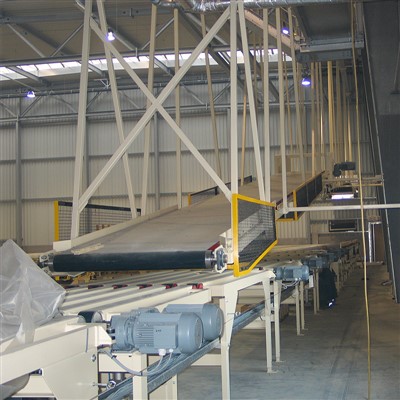
First, let’s get specific: special mortar isn’t the same as sand and cement you’d find in a generic mix plant. It’s loaded with additives, lightweight aggregates, synthetic fibers, or even micro-reinforcements that can cling to belts, jam rollers, or erode metal components faster than standard bulk materials. We’ve had customers come to us after their own in-house conveyors failed mid-batch because their line wasn’t calibrated for mortar that has a 10% recycled glass additive or 2mm polypropylene fibers. That means the first rule of keeping your conveyor running smoothly for special mortar is to design and configure your line for the material it’s moving—not a one-size-fits-all industrial conveyor.
Let’s start with pre-operation checks, because 90% of conveyor failures start with something small that gets missed before a shift even begins. I don’t let my team run a shift without three non-negotiable pre-start steps, tailored specifically to mortar handling. The first is a belt tension and alignment check—not just a quick glance, but a manual test of give in the belt. Special mortar can be denser than bulk sand, so over-tensioning a belt leads to premature wear on bearings and rollers, while under-tensioning causes slipping, which means inconsistent feed rates into the mixer. Last year, a new operator at a customer plant skipped this step on a line moving high-strength repair mortar, and by mid-shift, the belt had slipped enough that the material was spilling into the conveyor frame, clogging the take-up pulley, and shutting down production for four hours. We now train all our clients’ teams to test belt tension by pressing a gloved hand into the top of the belt between two idlers: if it gives less than 2 inches, it’s too tight; more than 4 inches, it’s too loose. Alignment is even more critical, because even a ¼-inch misalignment on a 50-foot conveyor will cause mortar to drift off the belt, build up on one side, and wear the belt unevenly until it tears. We use a simple string line check for idler alignment—no fancy tools needed—and train our teams to mark misalignments with chalk before the first batch runs.
The second pre-operation step is clearing and inspecting rollers and pulleys. Special mortar’s fine particles and fiber additives love to get stuck in the gaps between rollers and the belt. A single small clump of fiber-reinforced mortar caught between a roller and the belt will create a ridge that runs the length of the belt, causing it to wobble, spill material, and eventually fray at the edges. Before every shift, we have our teams spin each roller by hand to check for stiffness; if a roller doesn’t spin freely, it’s either clogged with hardened mortar or its bearing is failing. We also check the head pulley—the big pulley at the end of the conveyor where the belt turns upward—for built-up material. For mortar that’s sticky or has high polymer content, this pulley can build up a layer of material every shift, which changes the pulley’s diameter, makes the belt slip, and throws the entire feed rate off. We keep a stiff plastic scraper (never metal, which can scratch the pulley) at every conveyor station, and require the team to scrape the head pulley clean before starting. For lines handling extra-sticky mortar like fast-setting tile adhesive, we add a secondary spring-loaded scraper to the head pulley, which we install during our custom conveyor setups for clients.
The third pre-operation check specific to our plants is the material feed rate calibration. Special mortar mixes require precise feed rates to maintain their chemical and physical properties—too much material in a given run, and the mortar will be under-mixed, or will settle unevenly; too little, and you’re wasting energy and reducing throughput. We calibrate our conveyor feeders not just by weight, but by flow rate, using a trial run of 100 pounds of material and timing how long it takes to move from the feed hopper to the mixer. If a line is running too fast for fiber-reinforced mortar, the fibers will clump together instead of dispersing evenly, leading to weak batches that fail third-party testing. We adjust the feeder’s speed using a digital controller we program for each mortar type—we save profiles for fire-resistant mortar, high-compressive grout, and each of our custom specialty mixes, so the team doesn’t have to manually adjust speeds every shift.
Once production is running, the key is preventive maintenance, not reactive repairs. For our own plants, we split maintenance tasks into daily, weekly, and monthly schedules, each tailored to the demands of special mortar handling. Daily maintenance is simple: during shift breaks, the team walks the length of the conveyor, checking for spills, loose bolts, or unusual noises. A high-pitched squeal from a roller isn’t just an annoyance—it’s a sign the bearing is starting to fail, and if you ignore it, that roller will seize, tear a hole in the belt, and shut down the line for hours. We also keep a small parts bin at every conveyor station: extra rollers, spare scrapers, and bearing grease, so we can swap out a failed roller during a break instead of waiting for a parts delivery mid-shift. For lines handling mortar with abrasive additives like micro-silica, we check for wear on the belt’s edges daily—abrasive materials can wear through a standard rubber belt in 6 months, so we switch to a ¼-inch thick heat-resistant rubber belt with a 500-pound tensile strength for these lines, a modification we offer all our special mortar clients.
Weekly maintenance is more in-depth, focused on parts that aren’t visible during a quick walk. Every week, we lubricate the idler bearings—we use a lithium-based grease that’s resistant to the chemicals in special mortar, and avoid over-greasing, because excess grease can attract mortar particles and cause bearings to clog. We also check the belt for small tears or frays on the underside, which often go unnoticed during daily checks. For special mortar, even a 2-inch tear can grow quickly, as loose fibers from the mix get caught in the gap and pull the tear wider. We use a cold belt repair kit for small tears, which is faster than replacing a belt section, but we never put off repairing small damage—last quarter, a client of ours ignored a 1-inch tear in a conveyor belt handling lightweight mortar, and by the end of the week, the tear had grown to 18 inches, requiring a full belt replacement and two days of downtime that delayed their client’s tile installation project. Monthly maintenance includes a full alignment check of the entire conveyor frame, tightening loose bolts on the frame and pulleys, and inspecting the motor and gearbox that powers the conveyor. For lines running 24/7 (common in large-scale special mortar production), we double up on weekly tasks and add a mid-week check to catch issues before they escalate.
One of the biggest mistakes I see new plant owners make with conveyors for special mortar is not accounting for material-specific storage and handling between batches. Special mortar often sits in the feed hopper for hours or overnight between runs, and when it dries slightly, it can stick to the conveyor’s bottom side or the return rollers. For fast-setting mortars, this is even worse—if a small clump of hardened fast-set mortar gets stuck in the return rollers, it can be pulled back into the belt, creating a large ridge that causes spillage. We solve this with two steps: first, we install return belt cleaners on the bottom side of the conveyor, which scrape off any excess material before it reaches the return rollers. These cleaners are made of a flexible polyurethane material that doesn’t damage the belt, and we adjust them every month to maintain contact pressure. Second, we implement a 5-minute “purge run” at the end of every shift: before shutting down the conveyor, we run a batch of clean sand through the line to clear out any leftover mortar. This single step reduces overnight buildup by 80% in our plants, and we recommend it to all our clients, regardless of the mortar type they produce.
We also tailor conveyor design to our clients’ specific space and production needs, because a conveyor that works in a 10,000-square-foot plant in the Midwest won’t work in a compact 3,000-square-foot plant in a dense urban area. For clients with limited space, we use inclined conveyors with a rubber belt that has a raised cleat pattern, which prevents mortar from sliding back down the line during the upward move. For clients producing mortar with high fiber content, we use a belt with a smoother surface on the top side, so fibers don’t catch and clump, and we add a gentle vibrator to the feed hopper to ensure even material flow. Last year, we worked with a client in Houston who was producing fire-resistant mortar for high-rise construction; their original conveyor kept jamming because the mortar’s lightweight perlite aggregate was flying off the belt during transfer. We redesigned the transfer point to have a curved chute instead of a straight drop, which slowed the material down, and added side skirts to the belt that contained the perlite. That simple modification cut their downtime from two unplanned stops a month to zero, and their production throughput increased by 15%.
Training is the final, most overlooked piece of the puzzle. I’ve seen clients buy the exact same conveyor setup we recommend, only to have more downtime than our own plant, because their operators treat the conveyor as an afterthought instead of a critical part of production. We don’t just sell conveyors—we train our clients’ teams on every step of maintenance, troubleshooting, and pre-operation checks. For new teams, we do a 2-day on-site training, where we walk through every part of the conveyor, practice tension and alignment checks, show them how to clean scrapers and rollers, and even role-play common issues like a jammed roller or a slipping belt. We also give each team a printed checklist that they sign off on every shift, so there’s no confusion about what needs to be done. Last year, a client’s team told us after the first month of training that they had caught three small issues before they caused downtime—two misaligned idlers and a seized bearing—saving them an estimated $20,000 in lost production.

At the end of the day, smooth conveyor operation for a special mortar mixing plant isn’t about expensive parts or fancy technology. It’s about understanding that every component of the line—from the belt material to the scraper to the operator’s daily check—needs to be tailored to the unique properties of the mortar you’re producing. It’s about small, consistent steps that prevent small problems from becoming large, costly ones. If you’re looking to upgrade your conveyor system, or you’re dealing with recurring downtime that’s holding your special mortar production back, we’re here to help you build a line that works for your specific needs. We’ll walk through your plant space, your mortar mix specifications, and your production schedule to design a conveyor that keeps your batches consistent, your downtime low, and your projects on track.
Natural Gypsum Powder Production Line References
- Handling and Storage of Specialty Construction Materials, National Ready Mixed Concrete Association, 2021
- Conveyor Belt Maintenance Best Practices for Abrasive and Sticky Bulk Materials, Material Handling Industry of America, 2020
- Custom Conveyor Design for Special Mortar Production, Industrial Plant Engineering Journal, Volume 45, Issue 2, 2022
Shineye Mach Co., Ltd.
Shineye Mach Co., Ltd. is one of the most reliable manufacturers and suppliers of special mortar mixing plant in China, also supports customized service with reasonable price. Please feel free to buy advanced special mortar mixing plant made in China here from our factory. For quotation, contact us now.
Address: Jinzhou Circular Industry Park, Jinzhou City, Shijiazhuang City, Hebei Province, China
E-mail: xiangyijixielucia@yeah.net
WebSite: https://www.shineyemach.com/
